How it works
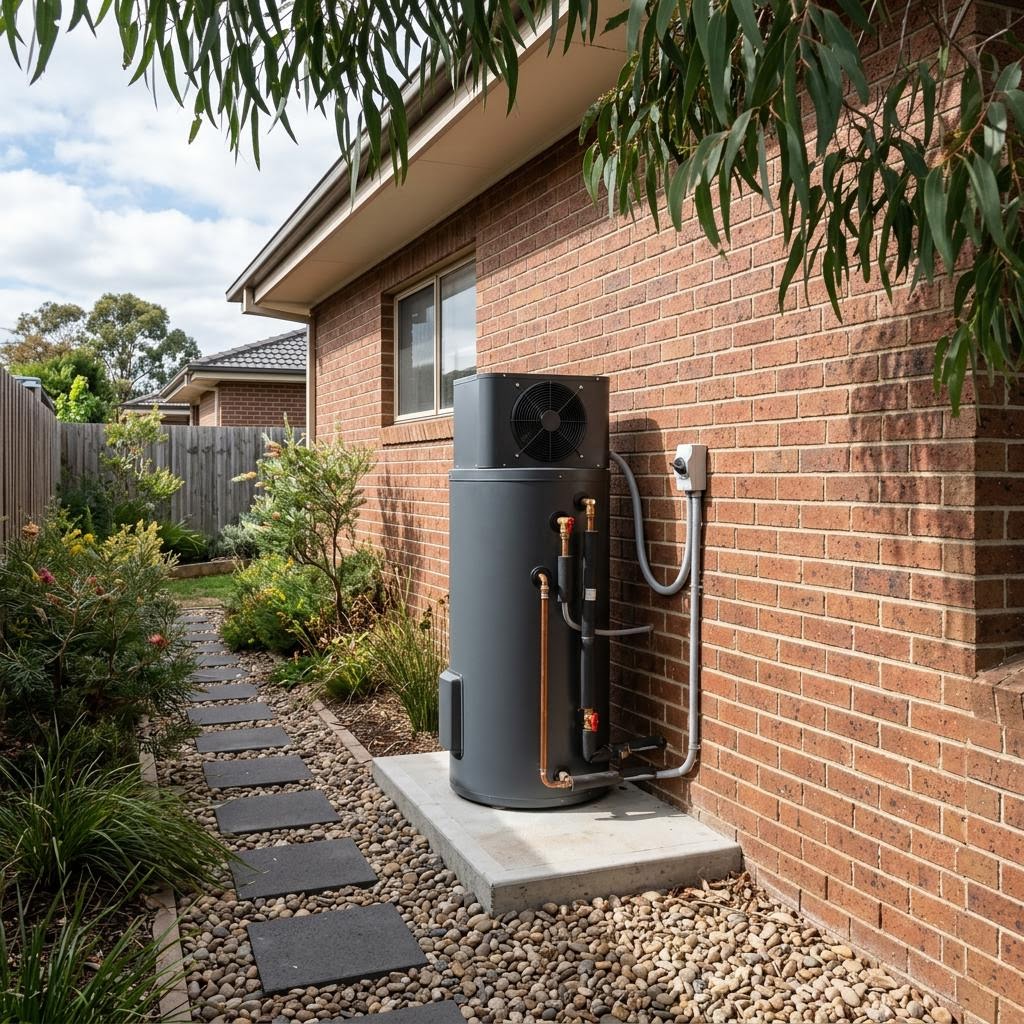
A heat pump water heater uses a refrigeration cycle, like a fridge in reverse. It draws heat from the surrounding air and moves it into the water. Because it moves heat rather than generating it directly, it can use much less electricity than a conventional electric storage heater.
Integrated or split
Integrated units have the heat pump mounted on top of the tank in one unit. They are compact and straightforward to install. Split systems put the heat pump outdoors and the tank separately, which gives more flexibility on placement. Energy.gov.au describes both types.
Sizing
Tank size should suit how many people live in the home and how they use hot water. Too small and you run out; too large and you heat water you do not use. NSW Government guidance highlights sizing as a key step. Ask the installer how they arrived at the size.
Siting and noise
Heat pumps have a fan and compressor, so they make some noise. Keep them away from bedroom windows, yours and your neighbours'. They also need airflow, so avoid tight, enclosed spaces. Check the manufacturer's clearances.
Temperature and climate
Performance changes with outdoor temperature. Most of Sydney is mild, but cooler areas such as the Blue Mountains or Southern Highlands need a model rated for colder conditions. Some units use a boost element in cold weather, which uses more electricity.
Timers and tariffs
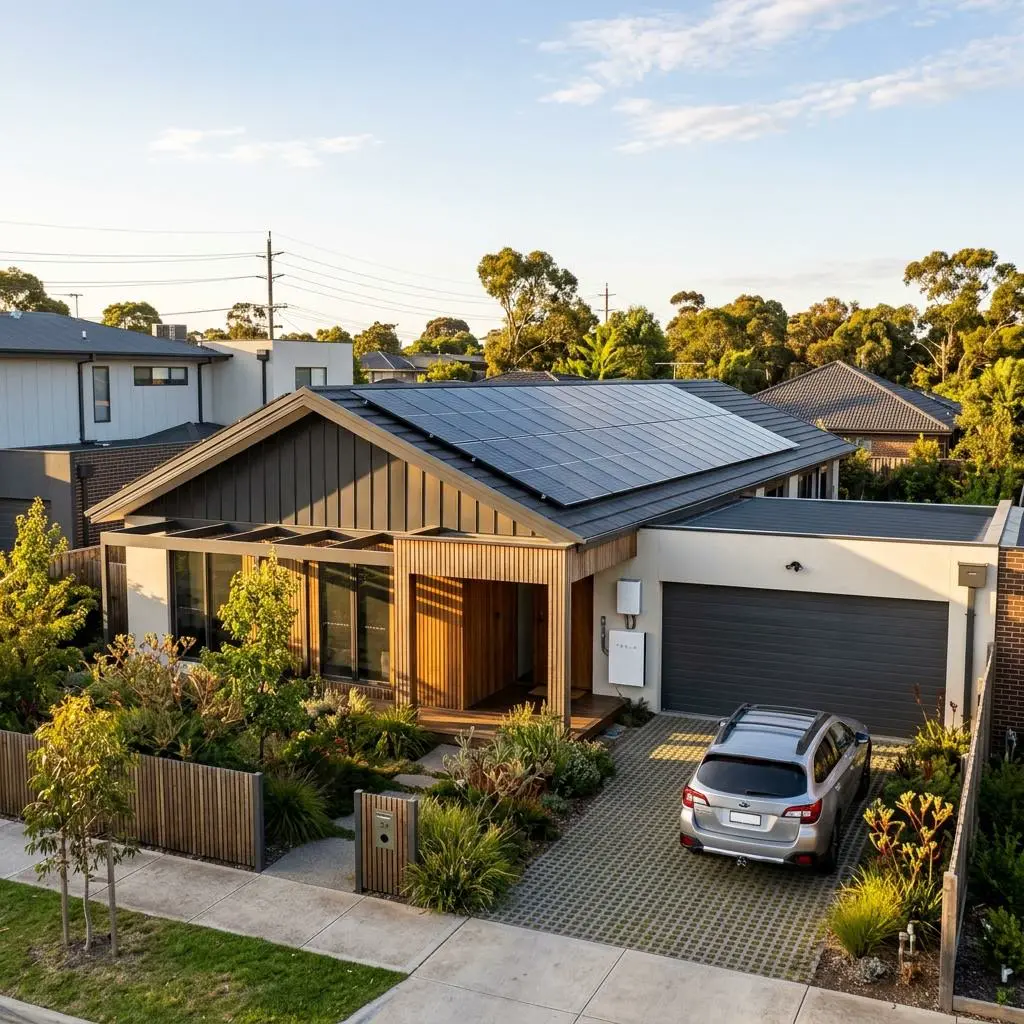
A timer lets you run the heat pump during the day, when solar is generating or when your tariff is cheaper. If you have solar, this can turn surplus generation into hot water. Check your tariff structure; a controlled-load tariff may have set hours that do not suit a solar-timed heat pump.
Installation and incentives
Installation needs a licensed plumber and, where electrical work is involved, a licensed electrician. NSW incentives may be available for eligible upgrades, but eligibility depends on your situation and the equipment, and the amount can be zero. Check the current NSW Government page and treat any figure as conditional until it is confirmed on your quote.
- Is the tank size right for the household?
- Where will it sit, and how close is it to bedrooms?
- Is it rated for your climate?
- Does it have a timer, and how will it be set?
- Who is doing the plumbing and electrical work?
Sources
Sources are linked for background reading. They do not endorse Green Home. This is general information, not advice for your home; a site assessment is needed for a recommendation.