Why the roof is the wrong starting point
It is tempting to fill the roof and call it done. Sometimes that is the right answer. But the size that suits you depends on how much electricity your home uses, when it uses it, and what you are likely to add in the next few years.
The ACCC suggests thinking about your household's needs before you compare systems. That means looking at your own numbers first, then checking what the roof can actually fit.
Step 1: read your last four bills
Find your average daily usage in kWh. Most NSW retailers print it on the bill, or you can download interval data from your retailer or network portal. Four quarterly bills show the seasonal swing: Sydney homes with ducted air conditioning often peak in summer, while homes with electric heating peak in winter.
Also note your import price per kWh and your feed-in tariff. The gap between the two matters a lot.
Step 2: work out when you use it
Solar makes power in the middle of the day. Electricity you use as it is generated avoids buying from the grid at your full import price. Electricity you export usually earns a much lower feed-in credit.
So a home that is busy during the day (working from home, a pool pump, a timer-driven dishwasher) gets more value from each panel than a home that is empty from 8 to 6.
Step 3: add what is coming
A system sized for today can be too small within a few years. Write down anything you are planning:
- An electric vehicle charged at home
- Replacing gas hot water with a heat pump
- Moving from gas cooking or heating to electric
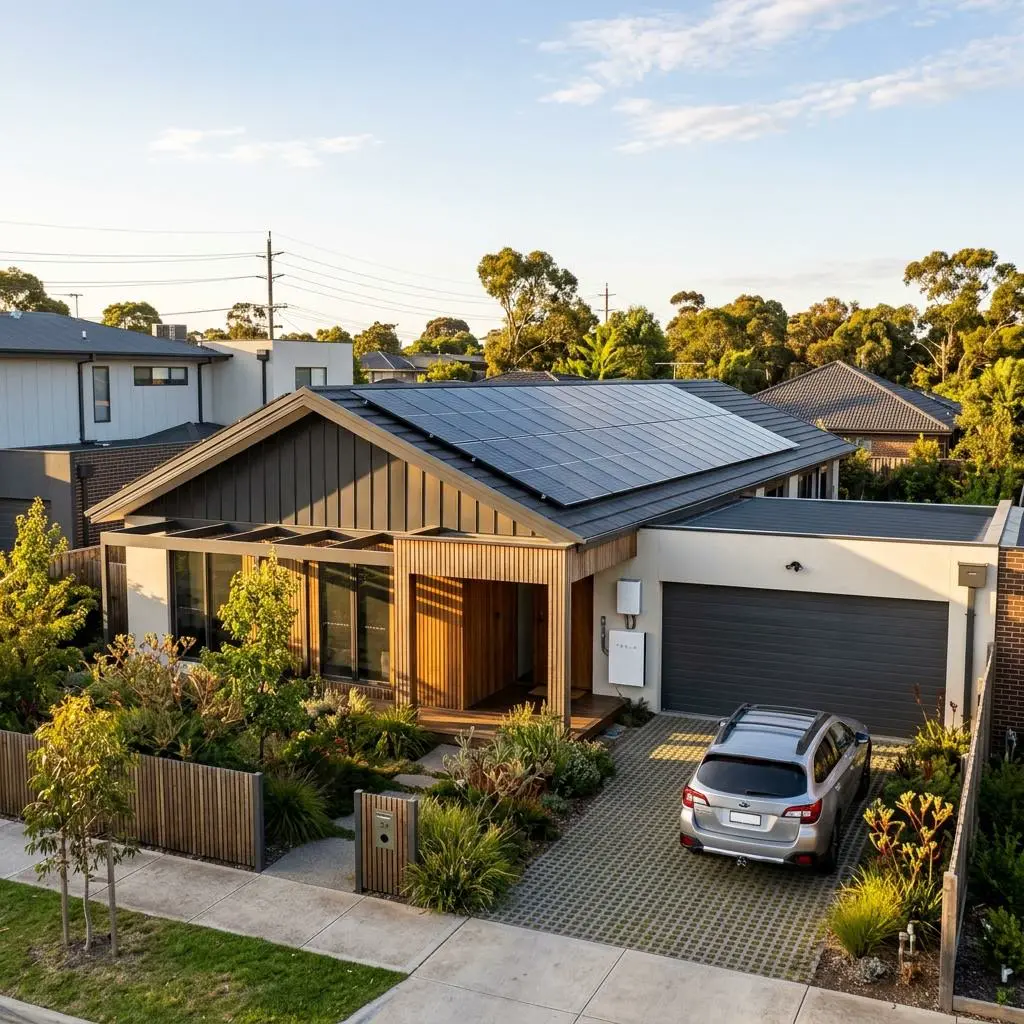
- Adding a battery to store daytime surplus
Step 4: check the roof and the network
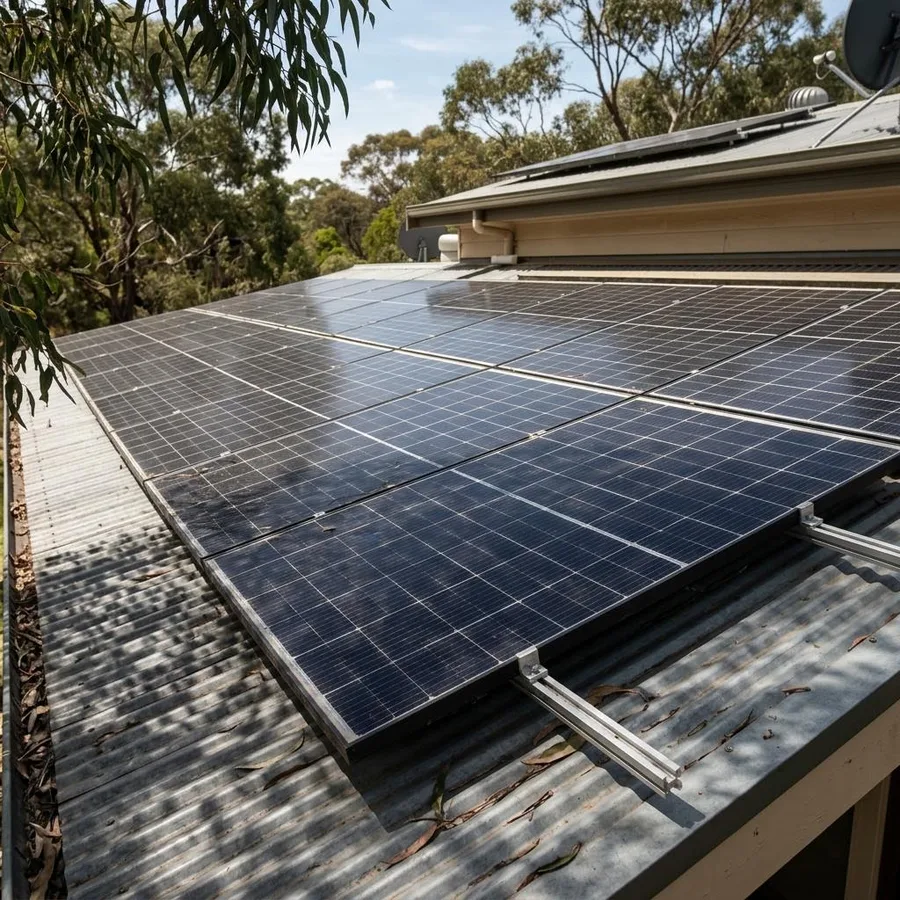
Now look at the roof: usable area, orientation, shading through the day and the condition of the roof itself. In NSW your local network may also limit how much you can export, which affects how a larger system performs financially.
If the roof cannot fit what your usage suggests, you have options: higher-efficiency panels, using more of your solar during the day, or accepting a smaller system that still pays its way.
What to ask an installer
A good proposal should show its working. Ask:
- What daily usage did you base this on?
- How much of the generation do you expect me to use myself?
- What export limit applies at my address?
- How would this system handle an EV or battery later?
Allow for monitoring and useful roof faces
Ask whether consumption monitoring is included. Generation figures alone do not show how much solar you use at home. Include east and west roof faces in the design discussion rather than ruling them out automatically.
A network export limit is not necessarily a limit on total panel capacity. Get the proposed generation and export controls confirmed for your connection, and compare the value of extra panels using realistic household demand.
Sources
Sources are linked for background reading. They do not endorse Green Home. This is general information, not advice for your home; a site assessment is needed for a recommendation.