Direction changes the timing
In Sydney, an unshaded north-facing array generally favours total annual generation. East-facing panels produce more of their energy earlier; west-facing panels shift production later.
The highest annual output is not automatically the lowest household bill. Compare the generation profile with when you use electricity. Roof pitch, shade and available space all affect the result.
Three common inverter approaches
A string inverter handles groups of connected panels. A microinverter converts electricity at an individual panel. Optimisers manage panel output but typically work with a central inverter.
Panel-level equipment can help with complex layouts and monitoring. It also adds equipment on the roof. A well-designed string system can be suitable for many homes, including some with partial shade.
Ask for a shade assessment
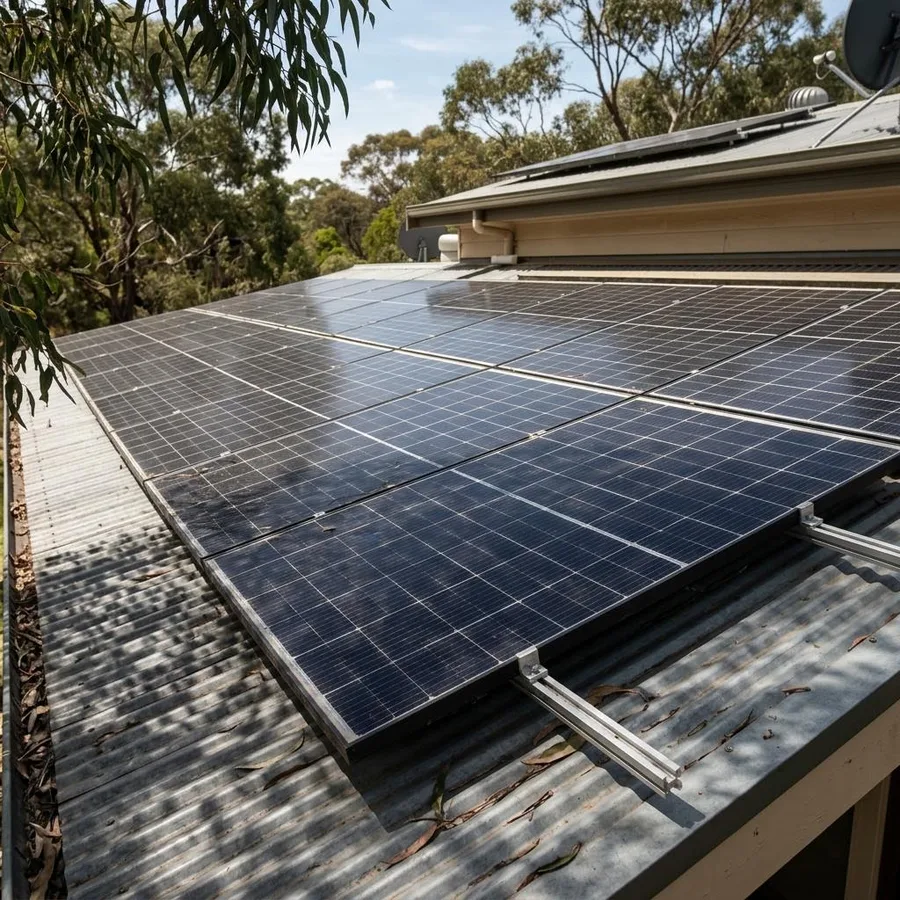
Trees, chimneys and neighbouring buildings cast different shadows through the year. Ask the designer to show which panels are affected and when.
Optimisers and microinverters do not remove shade. Ask what extra annual generation is expected from the proposed equipment and whether that improvement justifies its cost.
Think beyond the panels
The inverter needs a suitable location with manufacturer-required ventilation and protection from excessive heat. Check access for servicing, roof condition and the quality of mounting and cable management.
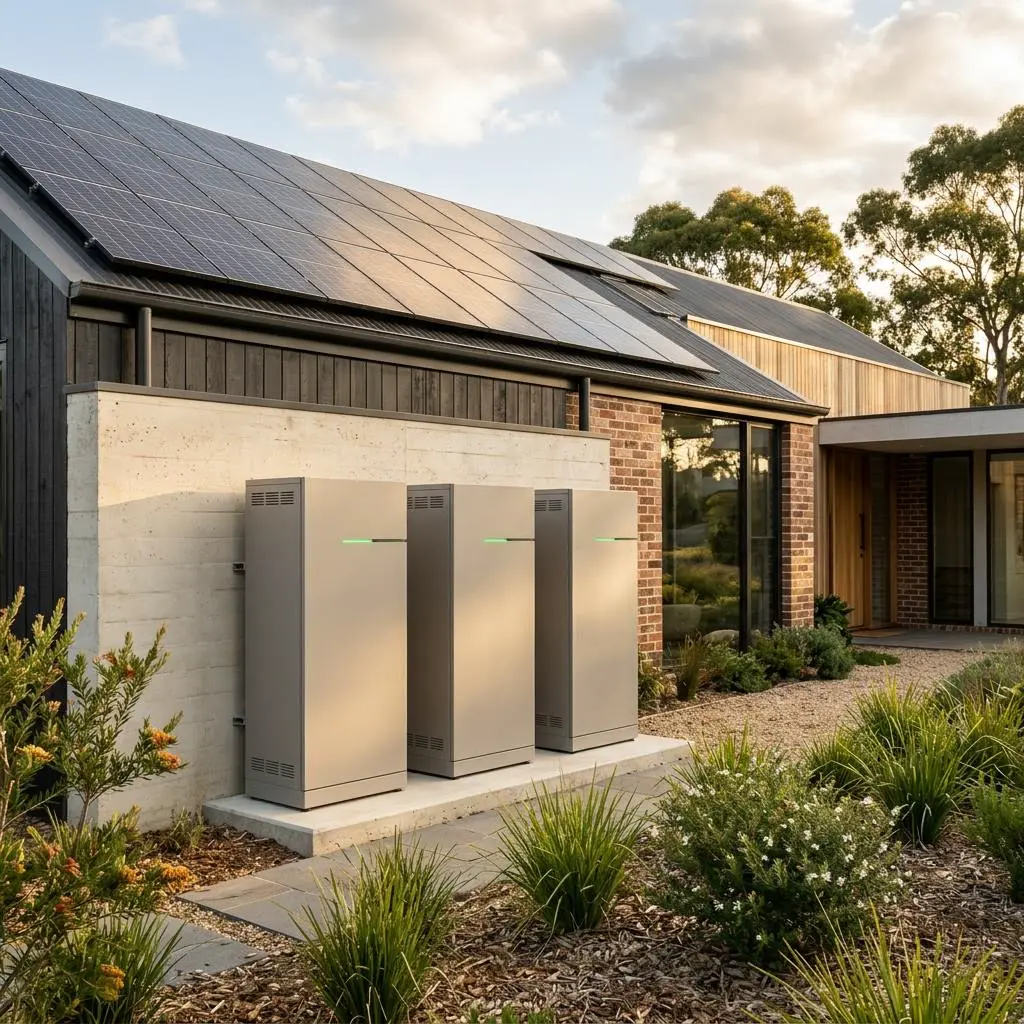
If a battery is planned, confirm the exact compatibility pathway. A hybrid label does not mean every battery will work. Get model numbers, approved pairings and any upgrade costs in writing.
Sources
Sources are linked for background reading. They do not endorse Green Home. This is general information, not advice for your home; a site assessment is needed for a recommendation.